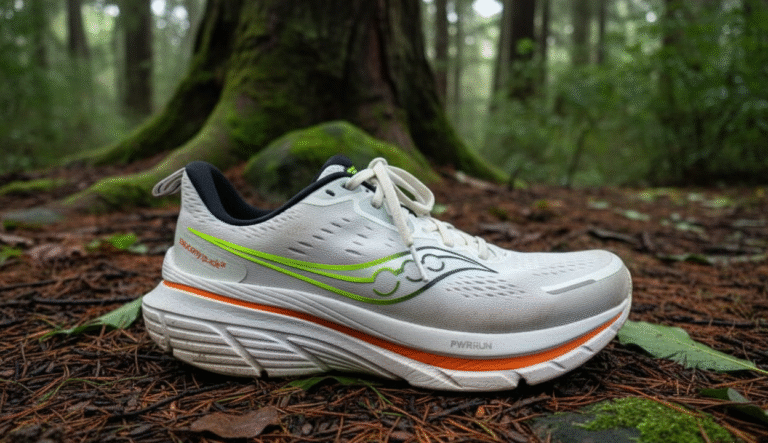
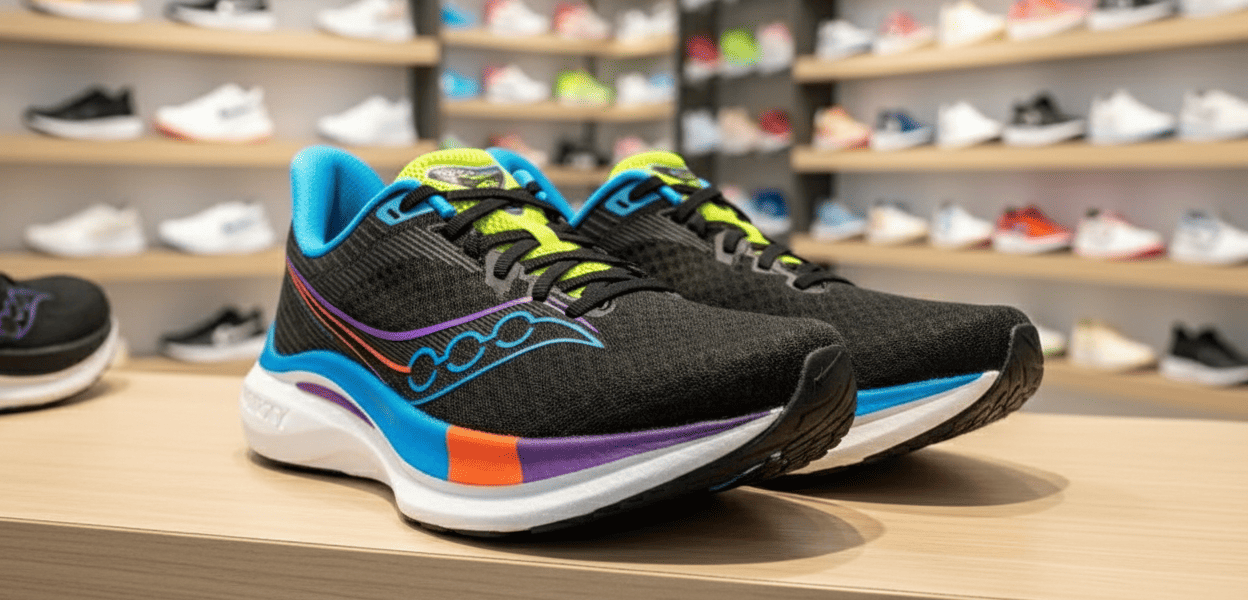

This Saucony Endorphin Speed 5 review lands at a curious time for the legendary shoe line. When the original Endorphin Speed launched, it was revolutionary. It brought a full-length PEBA midsole and a flexible nylon plate to the masses at a price point that was previously unheard of for “super shoe” technology. It was the people’s super trainer: light, bouncy, agile, and just as capable of handling daily miles as it was of setting new PBs on race day. It was, in a word, fun.
Over the years, the competition has not just caught up; in many cases, it has sprinted past. Shoes like the Adidas Boston, HOKA Mach X, and PUMA Deviate Nitro have adopted taller stack heights, more energetic foams, and more aggressive plates. The Endorphin Speed, by contrast, has largely stuck to its original formula.
Now, the Endorphin Speed 5 arrives with a $5 price increase to $175, a new upper, and a redesigned nylon plate. Saucony claims this version is tuned and sculpted to feel faster. But the big question is: has the icon lost its edge? This Saucony Endorphin Speed 5 review will dive deep into every component to see if it’s still the versatile speed demon we all fell in love with, or if it has settled into a new, more relaxed role.
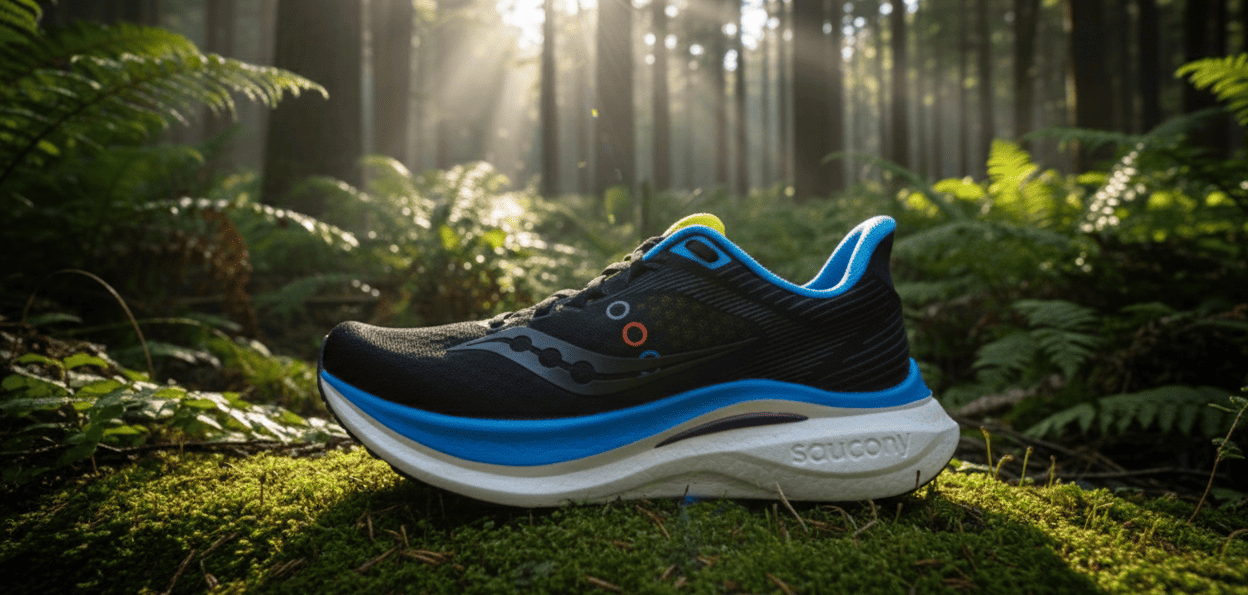
Saucony Endorphin Speed 5: Key Specifications
Before we get to the ride, let’s look at the tale of the tape. The specs are remarkably similar to its predecessor, with one key change in weight.
-
Type: Lightweight / Speed Trainer
-
Weight: 8.4 oz (238 g) for a men’s size 9
-
Heel-to-Toe Drop: 8 mm
-
Stack Height: 36 mm (Heel) / 28 mm (Toe)
-
Midsole: PWRRUN PB (PEBA-based)
-
Plate: Re-designed Winged Nylon Plate
-
Price: $175
The 0.2 oz (5g) weight gain over the Speed 4 isn’t massive, but in a world of ever-lightening shoes, any increase is noteworthy.
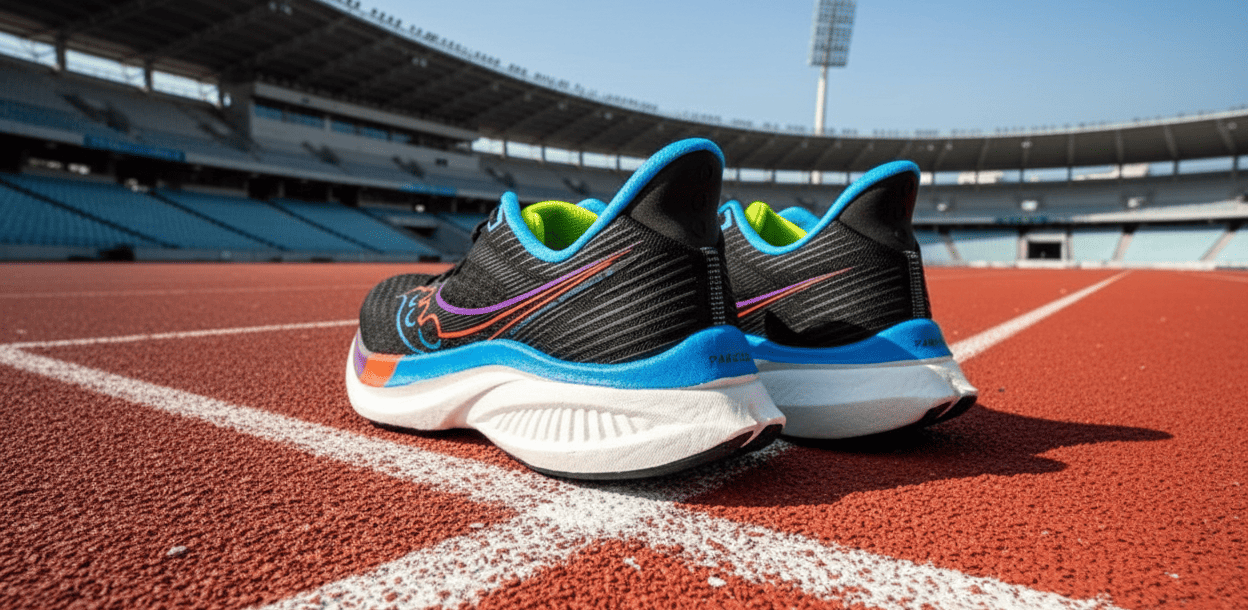
First Impressions: A Muted Debut
My first run in the Endorphin Speed 5 was a 14-kilometer easy run. The very first thing I noticed was the sound—or lack thereof. The hollow, somewhat distracting “suction-cup” slap of the Endorphin Speed 4 is completely gone. The ride is much quieter and more subdued.
The second, more immediate realization was the change in the plate. The Speed 5 felt noticeably more flexible underfoot than the Speed 4. The snappy, rockered feel that pushed you onto your toes felt toned down. The transitions were more relaxed, making the shoe feel less like an aggressive tempo shoe and more like a cushioned, flexible daily trainer. It was comfortable, certainly, but that initial “pop” and excitement I’ve come to expect from the Speed line felt… muted. It immediately reminded me of a more cushioned and supportive version of the Topo Cyclone, a shoe known for its natural, flexible ride—not its aggressive speed.
Upper Analysis: Spacious Comfort, But a Step Back in Feel
The upper of the Endorphin Speed 5 is a significant departure from the Speed 4. The material is a new engineered hexagon mesh, which feels a bit rougher to the touch and less premium than the soft, zonal mesh of its predecessor. However, this new mesh has a clear functional benefit: it’s incredibly breathable. This is a welcome upgrade for runners in warmer climates.
The fit is perhaps the biggest story here. The Endorphin Speed 5 is spacious. The interior is roomy, and the toebox, in particular, feels wider and more accommodating than the Speed 4. This is fantastic news for runners with wide or high-volume feet who may have felt cramped in previous versions. For my narrow feet, however, the material in the forefoot visibly puckered when I laced them up, though it didn’t cause any hotspots. The fit is true to size.
The rest of the upper is all functional excellence. The tongue is gusseted, staying perfectly in place, and the collar and heel tab are lightly padded, providing a secure lockdown without any Achilles irritation. The internal heel counter is firm and does its job perfectly. Overall, lockdown is great, but the premium, glove-like feel of the Speed 4 is gone, replaced by a more functional, roomy, and slightly less refined fit.
Sole Unit: A Complete Saucony Endorphin Speed 5 Review of the Engine
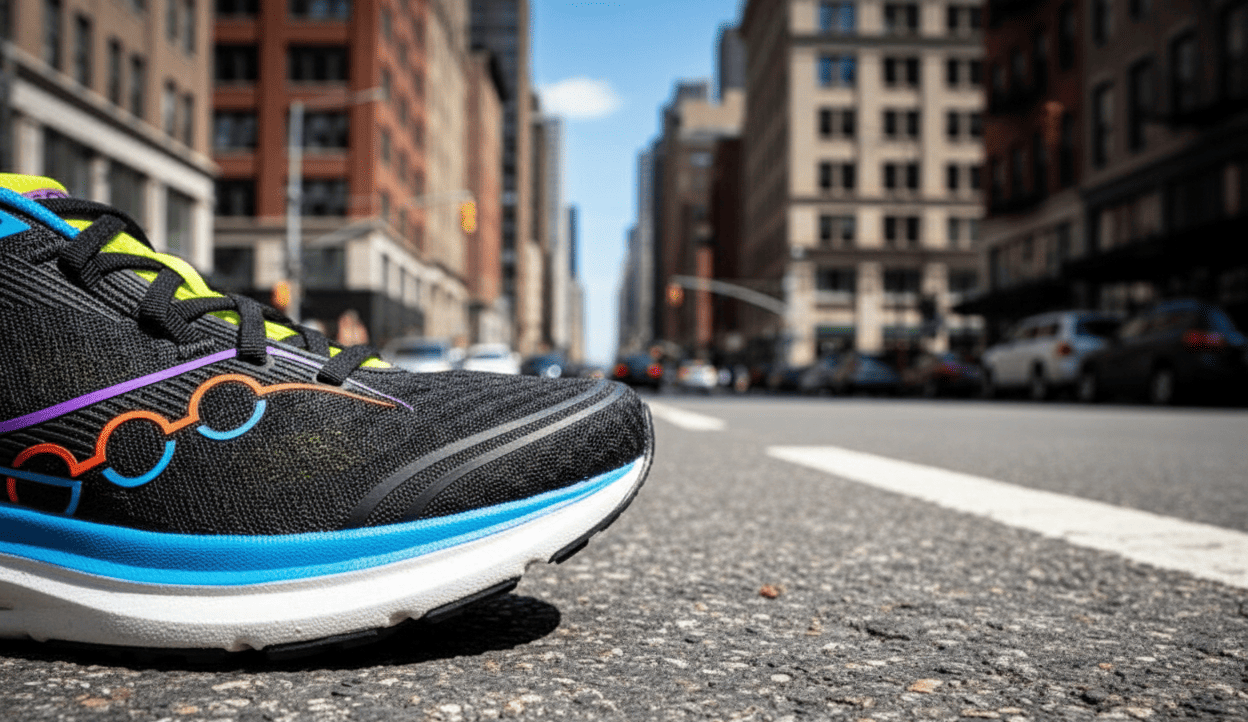
The sole unit is where the identity shift of the Endorphin Speed 5 truly takes place. While it still uses the fantastic PWRRUN PB midsole foam, the geometry and, most importantly, the plate have been altered.
The PWRRUN PB Midsole This is still a top-tier PEBA-based foam. It’s light, resilient, and provides a good balance of cushioning and energy return. Saucony claims it’s been “tuned and sculpted” to be faster. In practice, however, it feels very similar to the foam in previous versions. It’s not the bounciest super foam on the market anymore, but it’s still a reliable, high-performance compound that provides ample protection and a pleasant, responsive feel. The shoe also features a new SRS (Super Responsive Sockliner), which is supercritical, but it’s too thin to make a noticeable difference in the ride.
The New Nylon Plate This is the most significant change, and it’s the defining feature of this Saucony Endorphin Speed 5 review. The previous plate had wings on both the medial (inner) and lateral (outer) sides, which added stability and torsional rigidity. The new plate in the Speed 5 only has a wing on the medial side.
This change makes the entire platform more flexible, both longitudinally (from heel to toe) and torsionally. The result is a ride that feels far more natural and less “forced” than the Speed 4. However, this extra flexibility is a double-edged sword. It significantly mutes the effect of Saucony’s Speedroll rocker geometry. The aggressive, “tippy” forward-rolling sensation is much less prominent, making the shoe feel flatter and, frankly, slower.
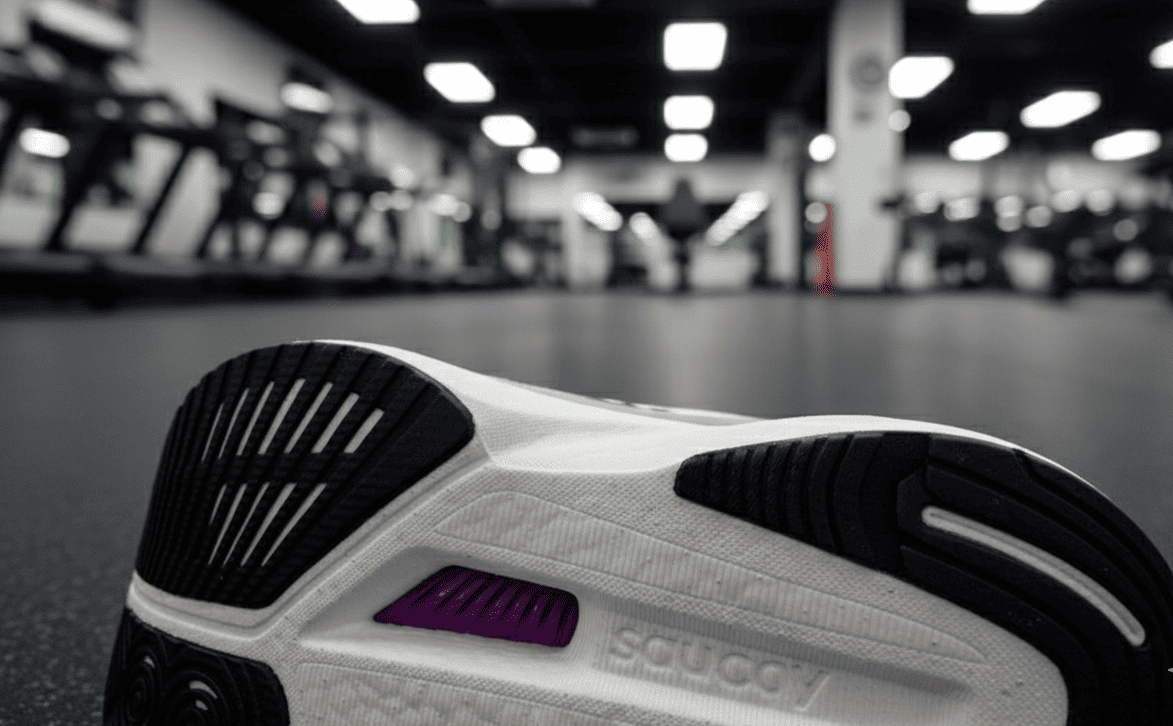
Outsole Updates The outsole sees a smart, durability-focused update. There is now a new, solid strip of rubber on the outer lateral heel, which is a high-wear area for heel strikers. This is a great addition that should improve the shoe’s lifespan. The forefoot rubber is now split into two sections, which further contributes to the shoe’s increased flexibility. While the rubber is flatter than the Speed 4, traction remains good on road and light gravel.
The Ride: Daily Trainer or Speed Trainer?
This brings us to the most important question: how does the Saucony Endorphin Speed 5 actually feel to run in?
In short, it feels like an excellent lightweight daily trainer, but a disappointing speed trainer. The “Speed” name now feels like a legacy title rather than a functional description.
-
Easy & Recovery Runs: This is where the Speed 5 now shines. The added flexibility, comfortable upper, and reliable PWRRUN PB cushioning make it a fantastic shoe for relaxed, easy paces. It’s lightweight, comfortable, and just disappears on your feet. It’s a shoe that doesn’t demand anything from you, which is perfect for recovery days.
-
Tempo & Threshold Runs: This is where the shoe falters. When you try to pick up the pace, the magic just isn’t there. The flexible forefoot and less prominent rocker mean you have to work harder to generate turnover. It doesn’t provide the same propulsive “pop” or speed assistance as the Speed 4, let alone its modern competitors. It can go fast, but it doesn’t want to.
-
Long Runs: I took the Speed 5 on a 36-kilometer long run, and it was… just okay. For the first 3-4 hours, it was comfortable. But as I tired and tried to pick up the pace, its flexible forefoot became a liability. It felt inefficient, and I found myself wishing for a more rockered and cushioned shoe, like Saucony’s own Endorphin Trainer, which offers a much more propulsive ride for long-distance efforts.
This shoe is no longer the exciting, do-it-all super trainer. It has evolved (or devolved) into a very good, very lightweight, but very traditional daily trainer.
Conclusion: A Good Shoe, But a Disappointing ‘Speed’
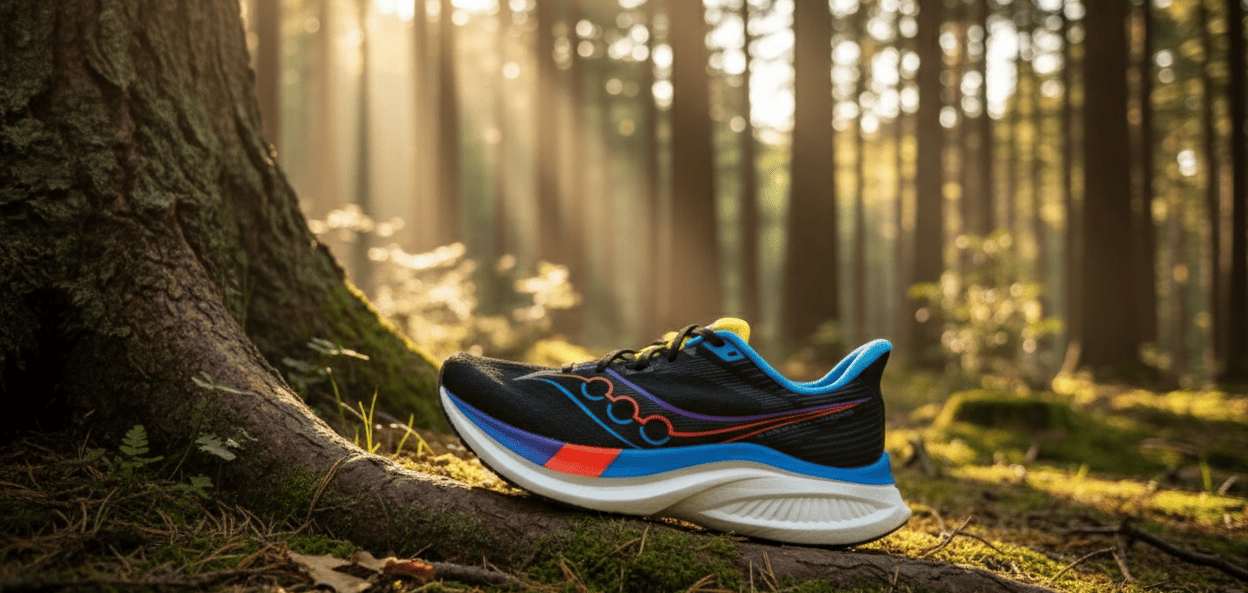
The Saucony Endorphin Speed 5 is not a bad shoe. In a vacuum, it’s a very good lightweight daily trainer with a comfortable, spacious upper, a quiet ride, and a durable outsole. It’s a shoe that gets the job done for relaxed runs without any fuss.
But it is a disappointing Saucony Endorphin Speed 5. It has lost the snappy, propulsive, and exciting character that defined the series. The changes to the plate have made it more flexible and relaxed, transforming it from a “speed trainer” into a “daily trainer.” I find myself preferring the Speed 4, which felt closer to the original’s exciting, uptempo DNA.
With a price increase to $175, its value proposition is now highly questionable. It no longer feels like a “super trainer,” and for only $5 more, you could get the Saucony Endorphin Trainer, which features a stiff carbon plate and the brand’s bounciest foam. The Speed 5 feels like a shoe with an identity crisis, and Saucony needs to decide if this line is for speed or for comfort. Right now, it’s stuck in an unsatisfying middle ground.
Who is the Saucony Endorphin Speed 5 for?
-
Runners who found previous Endorphin Speeds too stiff, aggressive, or rockered.
-
Runners with wide feet looking for a roomy, lightweight daily trainer.
-
Runners who want one shoe for easy days and very light uptempo work.
Who is it NOT for?
-
Runners looking for a propulsive, snappy speed trainer for tempo days.
-
Fans of the Speed 1, 2, or 4 who loved that “tippy,” fast-rolling sensation.
-
Runners on a budget. At $175, there are better and more exciting options.