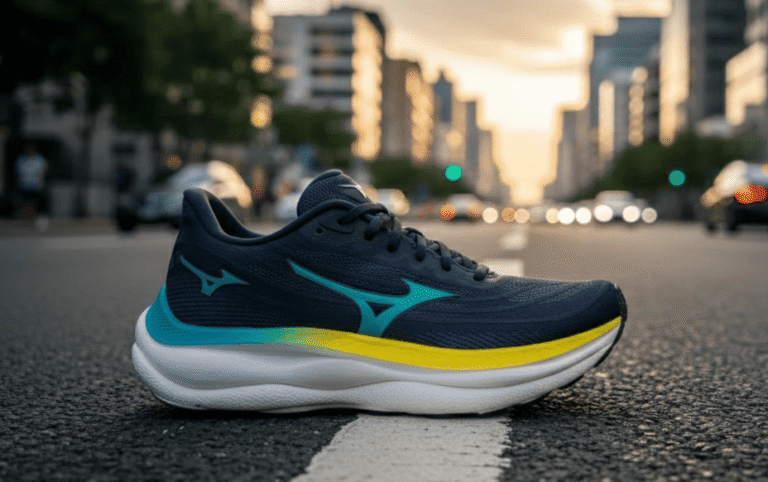
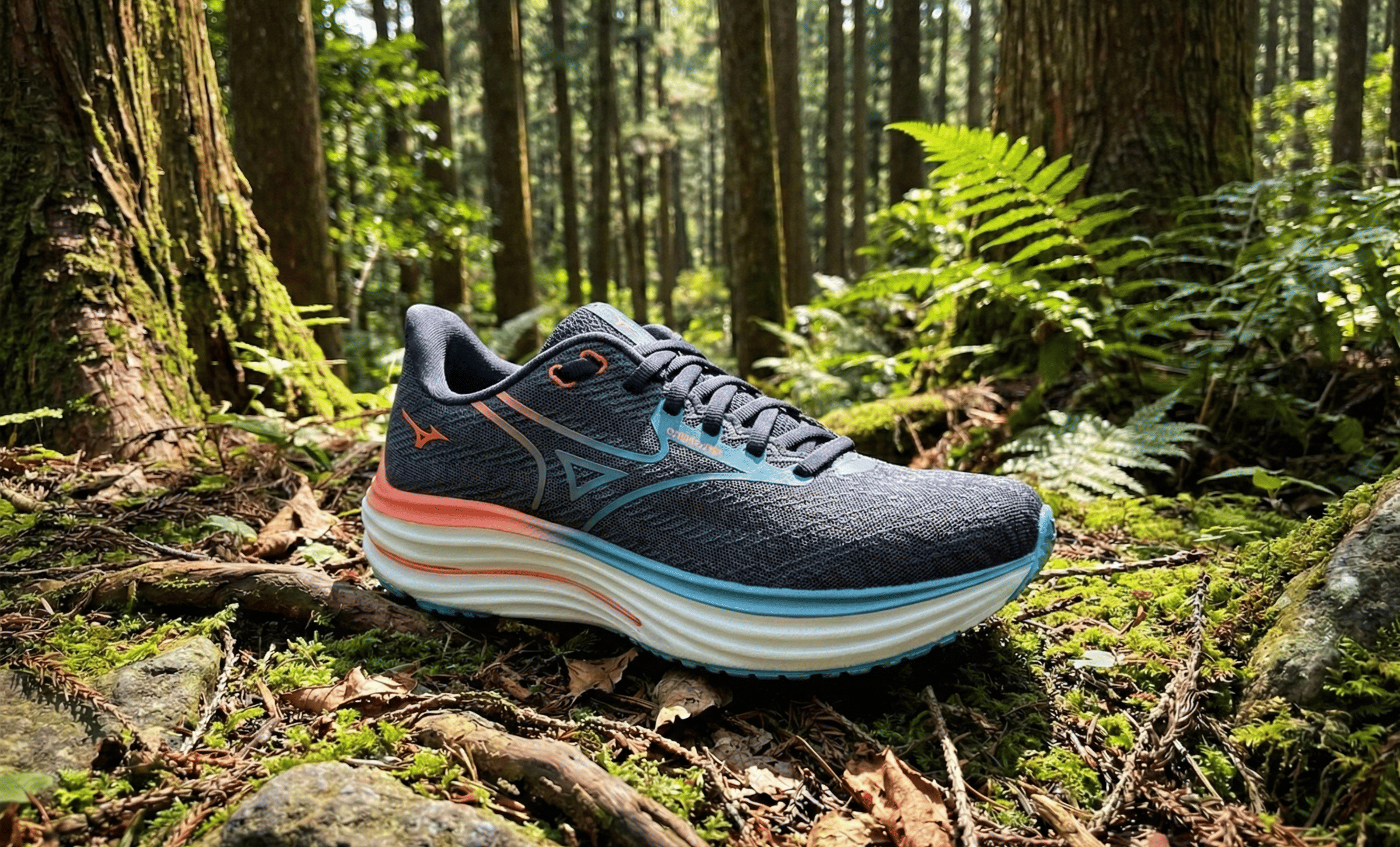

The Mizuno Wave Rider 29 marks arguably the most significant update in the nearly three-decade history of this legendary franchise. For years, the Wave Rider has been the “Toyota Camry” of running shoes: reliable, traditional, firm, and perhaps a little bit boring. It was the shoe you bought because you knew exactly what you were getting—a high-drop, firm heel striker’s best friend.
But the Mizuno Wave Rider 29 changes the script entirely.
Mizuno has finally broken away from its traditional formula. The classic 12mm drop is gone, replaced by a more modern 10mm offset. The firm, “slapping” ride of the past has been swapped for a sensation that is undeniably plush. With a new Enerzy NXT midsole and a complete overhaul of its geometry, the Mizuno Wave Rider 29 is attempting to court a new generation of runners who crave softness over stiffness.
In this deep-dive review, we explore whether this radical change is a masterstroke or a misstep for the second-oldest franchise in running history.
First Impressions: A Shockingly Soft Experience
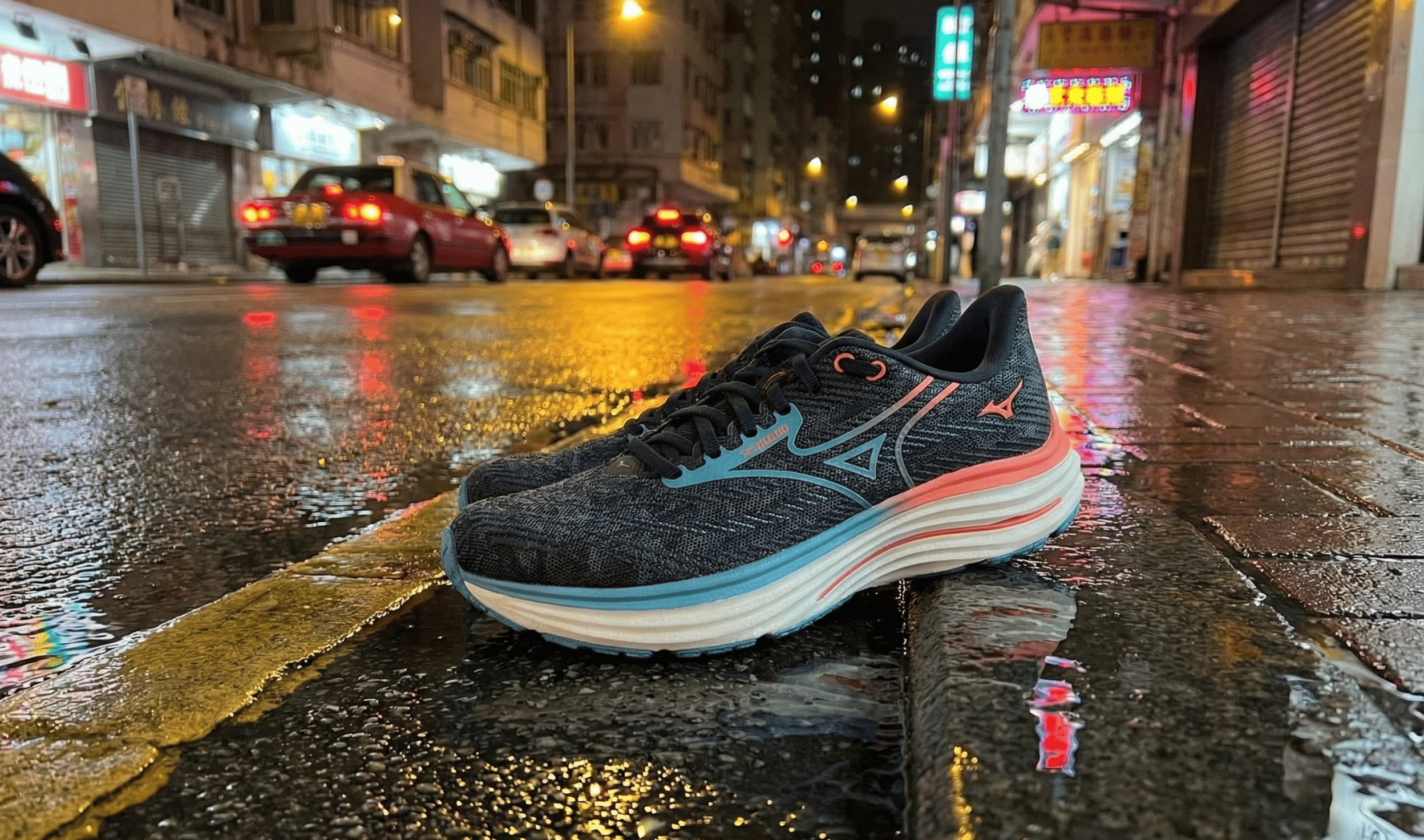
The reviewer’s first run in the Mizuno Wave Rider 29 was a 17.5-kilometer easy session, and the immediate takeaway was surprise. For a shoe that has historically been defined by its firmness and snap, the v29 felt “shockingly soft.”
The midsole compressed easily with every footstrike, offering a sensation more akin to a soft, flexible trainer like the New Balance Rebel than the rigid Wave Riders of the past. The famous “Wave Plate”—usually a source of stiffness and stability in the heel—felt almost invisible. It wasn’t squeaky or intrusive; it simply blended into the foam.
This first run set the tone for the entire review: this is a shoe designed for relaxed, easy running. The aggressive “snap” of previous versions has been traded for a plush, flexible roll.
A Detailed Look: The Wave Rider 29 Upper
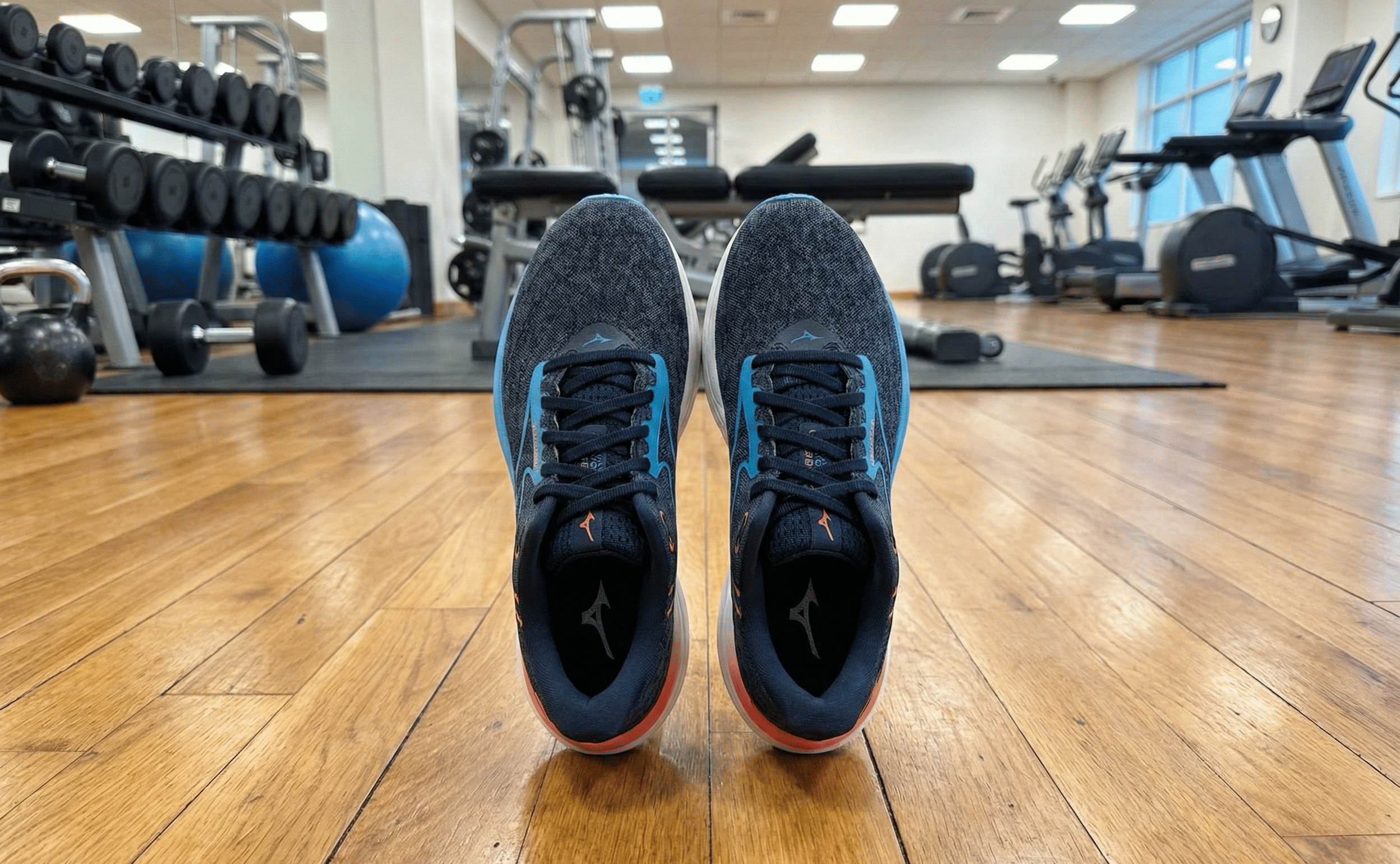
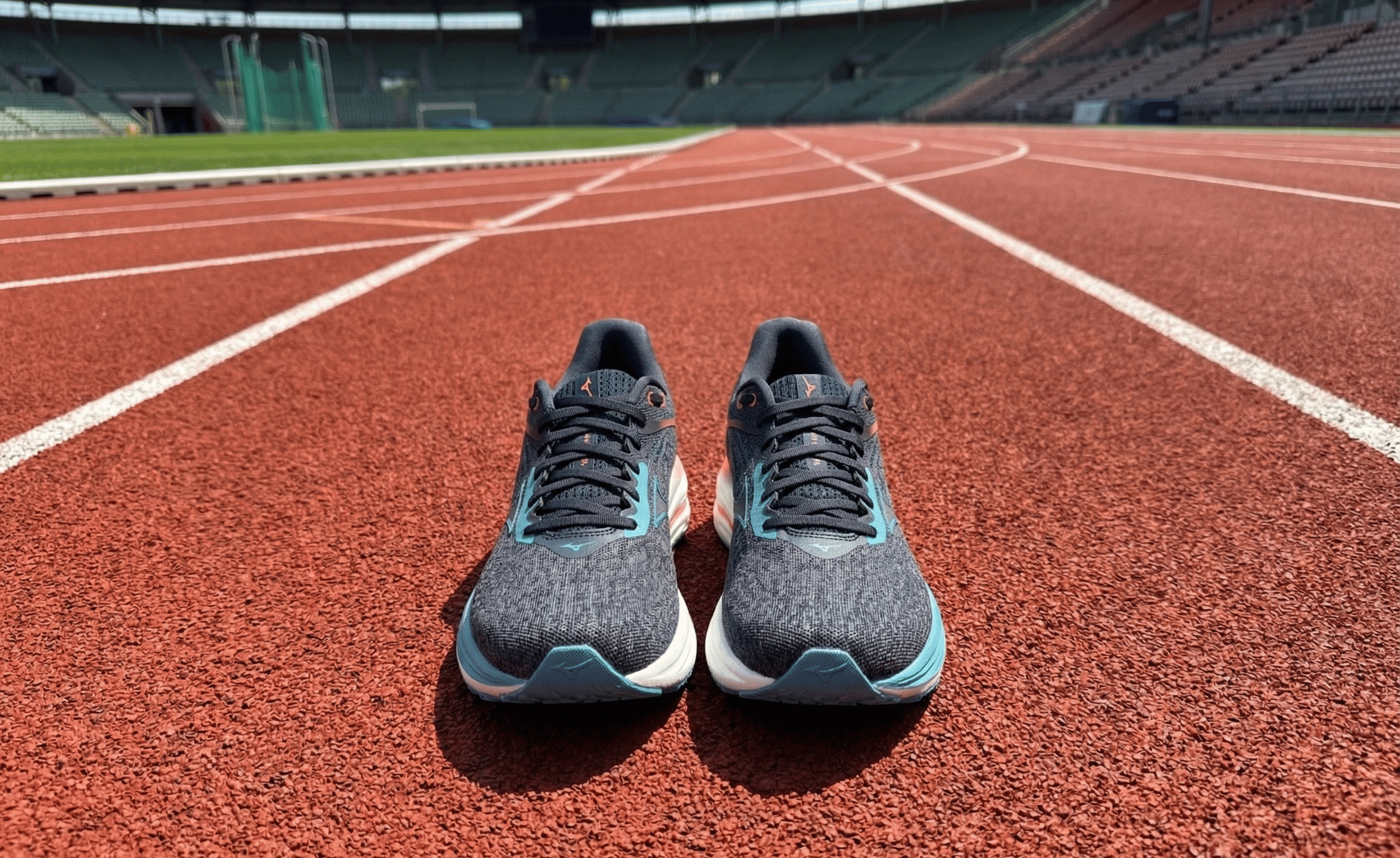
While the midsole has undergone a revolution, the upper of the Mizuno Wave Rider 29 remains true to its roots—and that is a good thing. It is constructed from a Jacquard Air Mesh that is breathable, comfortable, and devoid of major weaknesses.
The fit is classic Mizuno: true to size, but best suited for narrow-to-medium volume feet. The toe box isn’t the most spacious in its class, so runners with wider feet will almost certainly need to opt for the 2E wide version.
Key features of the upper include:
-
Semi-Gusseted Tongue: The tongue is lightly padded and attached to the sides, ensuring it stays perfectly in place during runs.
-
Internal Heel Counter: A stiff, sturdy heel counter provides excellent lockdown, preventing any heel slippage—a crucial feature for a shoe that is often popular with heel strikers.
-
Reflectivity: Unfortunately, the review notes a lack of reflective elements, which is a downside for night runners.
Overall, the upper is a “comfortable daily workhorse” element that gets the job done without fuss.
The Engine of the Shoe: Enerzy NXT Sole Unit
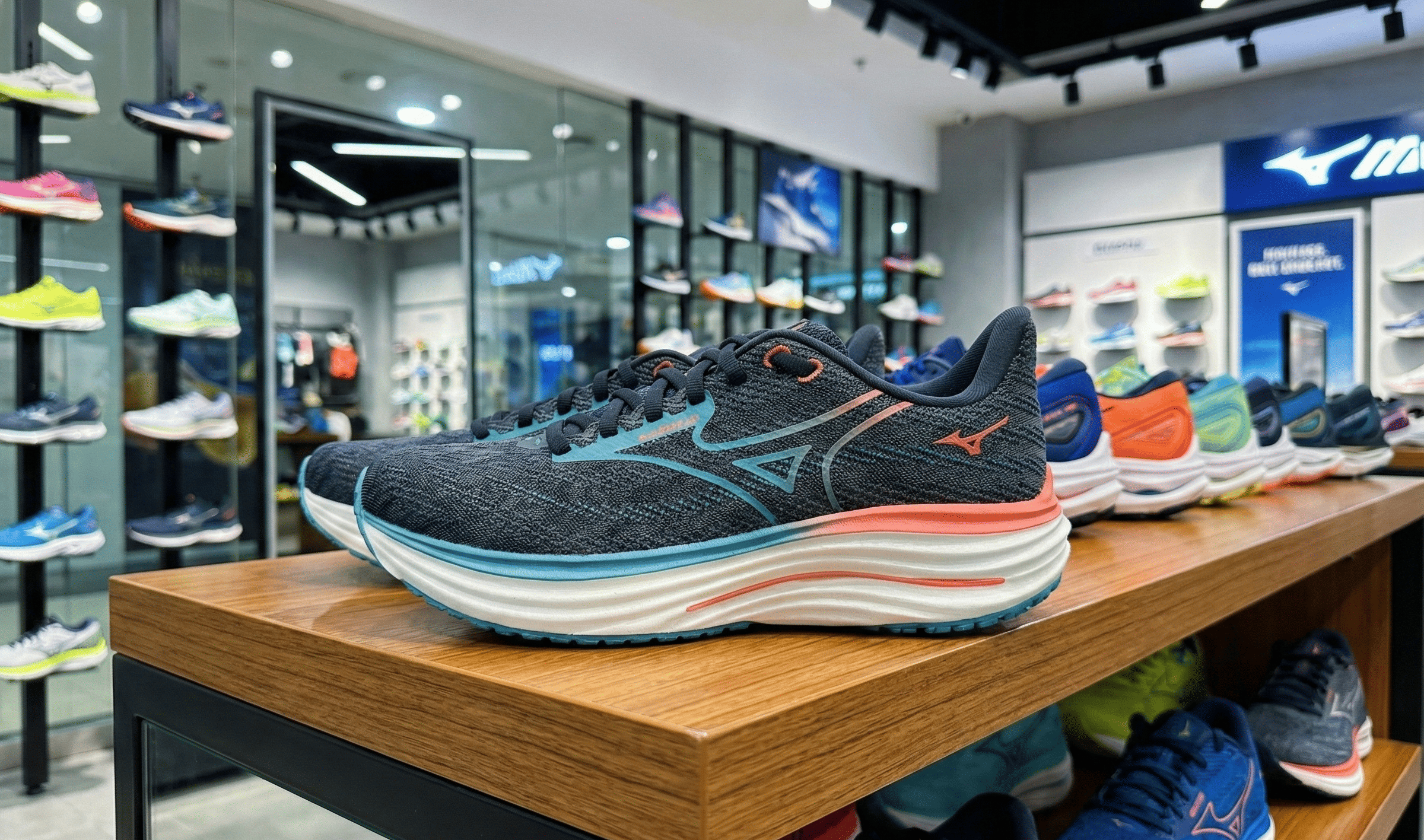
The most critical update to the Mizuno Wave Rider 29 is found underfoot. Mizuno has introduced a full-length midsole made of Enerzy NXT.
What is Enerzy NXT?
This is a nitrogen-infused EVA foam developed 100% by Mizuno in their Osaka research lab. Unlike standard EVA, this supercritical foam is lighter, softer, and more resilient. It is the primary reason why the Mizuno Wave Rider 29 feels so different from its predecessors.
The stack height sits at 38mm in the heel and 28mm in the forefoot. While 38mm sounds substantial, the foam is so soft that it compresses significantly upon landing, giving the shoe more ground feel than the numbers suggest. This compression is what gives the shoe its plush character.
The Wave Plate and Drop
For the first time in ages, the drop has been lowered from 12mm to 10mm. This makes the shoe feel more modern and allows for a slightly more balanced ride that can accommodate midfoot strikers better than previous versions.
The signature Wave Plate (made from a plant-based TPU called Elastollan) is still present in the rearfoot. However, because the surrounding foam is so soft, the plate provides structure without feeling harsh. The reviewer noted that they wished the plate extended further into the forefoot to provide a bit more “snap” and responsiveness, which is currently lacking.
The Ride: Soft, Flexible, and Relaxed
The ride of the Mizuno Wave Rider 29 is defined by two words: Soft and Flexible.
This is strictly a shoe for easy days. The forefoot is highly flexible, which makes for a comfortable, natural motion at slow speeds. However, this flexibility makes it difficult to pick up the pace. The shoe lacks the stiffness required for fast transitions or intervals.
The reviewer found that the shoe “bottoms out” on very long runs (over 25km) because the foam is so soft. This makes the Mizuno Wave Rider 29 ideal for junk miles, recovery jogs, and daily loops up to 15-20km, but perhaps less suited for long-distance marathon training runs compared to stiffer, rockered options.
Durability, however, remains a massive strength. The Enerzy NXT foam is resistant to scuffs, and the outsole rubber is extremely hard-wearing. After 80km of testing, there was barely any visible wear.
Final Verdict: Is the Mizuno Wave Rider 29 for You?
The Mizuno Wave Rider 29 is a polarizing update. It is a “big step in the right direction” for modernizing the brand, moving away from the firm, slapping ride of the past. It is significantly softer than competitors like the Brooks Ghost 17 or the Nike Pegasus 41.
However, this softness comes at the cost of versatility. It is no longer a “do-it-all” shoe that can handle speed work. It is now a specialized easy-day cruiser.
Who Should Buy It?
-
Runners looking for a really soft daily trainer that doesn’t feel mushy.
-
Fans of the series who found previous versions “too firm” or “boring.”
-
Runners who want a durable workhorse that will last hundreds of miles.
Who Should Avoid It?
-
Runners who want a single shoe for both easy runs and speed work (it’s too flexible for speed).
-
Runners who prefer a firm, responsive ride with lots of ground feedback.
-
Heavy heel strikers who might compress the soft foam too much on very long runs.
At $150, the Mizuno Wave Rider 29 sits at a standard price point for premium daily trainers. It offers a unique, modernized experience that brings the legendary Rider series firmly into the soft-shoe era.